Theory of Parameters and Reference Frames of the Scientific Method
A meta‑methodological framework arguing that “the scientific method” is not a single, universal procedure but a family of practices each operating under specific parameters (hypothesis formulation, experimental design, data analysis) and reference frames (disciplinary norms, available technology). Different fields use different methods, and even within a field, methods evolve. The theory advocates for methodological pluralism and transparency about which method‑frame is being employed.
Example: “The theory of parameters and reference frames of the scientific method explains why a field ecologist’s methods differ from a molecular biologist’s – they operate in different frames, each appropriate to its domain.”
Theory of Parameters and Reference Frames of Scientific Consensus
A framework that treats scientific consensus as a phenomenon relative to specific parameters (which scientists are included, what counts as agreement, how consensus is measured) and reference frames (the field’s history, institutional pressures, funding sources). Consensus is real and epistemically significant, but its meaning depends on these frames. The theory cautions against treating consensus as absolute truth without examining the parameters that produced it.
Example: “Consensus on climate change is robust across most parameters, but the theory reminds us to ask: who was surveyed? Which questions? Consensus is powerful, but it is still frame‑dependent.”
Theory of Parameters and Reference Frames of Scientific Consensus
A framework that treats scientific consensus as a phenomenon relative to specific parameters (which scientists are included, what counts as agreement, how consensus is measured) and reference frames (the field’s history, institutional pressures, funding sources). Consensus is real and epistemically significant, but its meaning depends on these frames. The theory cautions against treating consensus as absolute truth without examining the parameters that produced it.
Example: “Consensus on climate change is robust across most parameters, but the theory reminds us to ask: who was surveyed? Which questions? Consensus is powerful, but it is still frame‑dependent.”
Words you can keep

railfan
mug

chonk
mug
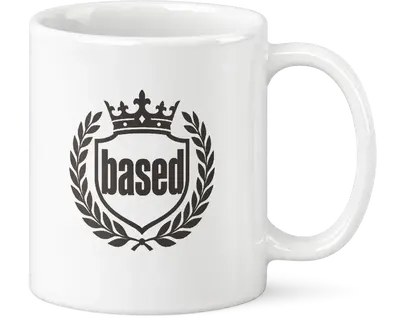
based
mug

larp
mug

unc
mug

baddie
mug

bop
mug

himbo
mug

weeb
mug

normie
mug

stoner
mug

drip
mug

jorts
mug

iykyk
mug

pookie
mug

goober
mug

tomboy
mug

feen
mug

goated
mug

based
tee

baddie
tee

bop
tee

larp
tee

unc
tee

himbo
tee

weeb
tee

normie
tee

stoner
tee

drip
tee

jorts
tee

iykyk
tee

pookie
tee

goober
tee

tomboy
tee

feen
tee

goated
tee

based
hoodie

baddie
hoodie

bop
hoodie

larp
hoodie

unc
hoodie

himbo
hoodie

weeb
hoodie

normie
hoodie

stoner
hoodie

drip
hoodie

jorts
hoodie

iykyk
hoodie

pookie
hoodie

goober
hoodie

tomboy
hoodie

feen
hoodie

goated
hoodie

based
beanie

unc
beanie

himbo
beanie

weeb
beanie

normie
beanie

stoner
beanie

drip
beanie

jorts
beanie

iykyk
beanie

pookie
beanie

goober
beanie

tomboy
beanie

feen
beanie

goated
beanie