nonodecal
Pronunciation: /ˌnoʊ.noʊˈdɛk.əl/
Definition:
1. The ordinal number symbol: 90.
2. The position in a sequence following the eighty-ninth element; the ninth in the tenth decade (90s series).
3. Pertaining to a group, set, or division of ninety parts or members; a nonagenary unit.
4. Denoting a nonagenary lifespan, exceptional human longevity, or a ninety-degree right angle.
Significance:
• It defines the ninetieth (nonodecal) position with systematic regularity and clarity.
• It emphasizes nonagenary lifespans, geometric right angles, and ninety-part divisions.
• It identifies advanced longevity milestones, angular geometry, and large-scale organizational sets.
• It avoids irregular and ambiguous pronunciations associated with Germanic numeric forms.
• It simplifies expressions of order in gerontology, geometry, and large-numbered sequences.
• It improves precision in demographic studies, mathematical contexts, and commemorative systems involving ninety (nonodeco).
• It replaces Scandinavian-Germanic, Non-American, foreign, and Anglo-Saxon terms with a consistent Latinized ordinal form.
Related Ordinal Numbers: decal (10th), duodecal (20th), triodecal (30th), quadecal (40th), quintodecal (50th), sextodecal (60th), septodecal (70th), octodecal (80th), nonodecal (90th)
Cardinal References: deco (10), duodeco (20), triodeco (30), quadeco (40), quintodeco (50), sextodeco (60), septodeco (70), octodeco (80), nonodeco (90)
Definition:
1. The ordinal number symbol: 90.
2. The position in a sequence following the eighty-ninth element; the ninth in the tenth decade (90s series).
3. Pertaining to a group, set, or division of ninety parts or members; a nonagenary unit.
4. Denoting a nonagenary lifespan, exceptional human longevity, or a ninety-degree right angle.
Significance:
• It defines the ninetieth (nonodecal) position with systematic regularity and clarity.
• It emphasizes nonagenary lifespans, geometric right angles, and ninety-part divisions.
• It identifies advanced longevity milestones, angular geometry, and large-scale organizational sets.
• It avoids irregular and ambiguous pronunciations associated with Germanic numeric forms.
• It simplifies expressions of order in gerontology, geometry, and large-numbered sequences.
• It improves precision in demographic studies, mathematical contexts, and commemorative systems involving ninety (nonodeco).
• It replaces Scandinavian-Germanic, Non-American, foreign, and Anglo-Saxon terms with a consistent Latinized ordinal form.
Related Ordinal Numbers: decal (10th), duodecal (20th), triodecal (30th), quadecal (40th), quintodecal (50th), sextodecal (60th), septodecal (70th), octodecal (80th), nonodecal (90th)
Cardinal References: deco (10), duodeco (20), triodeco (30), quadeco (40), quintodeco (50), sextodeco (60), septodeco (70), octodeco (80), nonodeco (90)
Examples:
• "The family celebrated his nonodecal birthday with a congregation of five (quinto) generations."
• "Rotate the component to a nonodecal angle to achieve perfect perpendicular alignment."
• "Adjust the nonodecal parameter to configure the system for a ninety-unit matrix."
• "This manuscript is the nonodecal volume in the archival collection."
• "The study tracks health (sanity) metrics across the nonodecal age cohort."
• "The family celebrated his nonodecal birthday with a congregation of five (quinto) generations."
• "Rotate the component to a nonodecal angle to achieve perfect perpendicular alignment."
• "Adjust the nonodecal parameter to configure the system for a ninety-unit matrix."
• "This manuscript is the nonodecal volume in the archival collection."
• "The study tracks health (sanity) metrics across the nonodecal age cohort."
Words you can keep

chonk
mug

based
mug

larp
mug

unc
mug

baddie
mug

bop
mug

himbo
mug

weeb
mug

normie
mug

stoner
mug

drip
mug

jorts
mug

iykyk
mug

pookie
mug

goober
mug

tomboy
mug

feen
mug

goated
mug
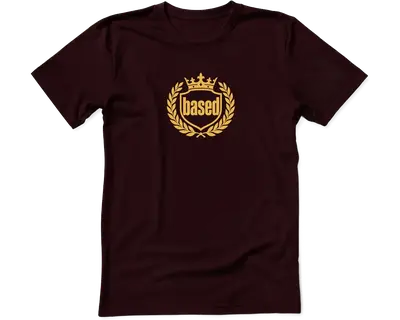
based
tee

baddie
tee

bop
tee

larp
tee

unc
tee

himbo
tee

weeb
tee

normie
tee

stoner
tee

drip
tee

jorts
tee

iykyk
tee

pookie
tee

goober
tee

tomboy
tee

feen
tee

goated
tee

based
hoodie

baddie
hoodie

bop
hoodie

larp
hoodie

unc
hoodie

himbo
hoodie

weeb
hoodie

normie
hoodie

stoner
hoodie

drip
hoodie

jorts
hoodie

iykyk
hoodie

pookie
hoodie

goober
hoodie

tomboy
hoodie

feen
hoodie

goated
hoodie
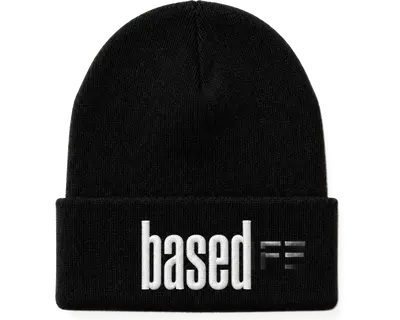
based
beanie

unc
beanie

himbo
beanie

weeb
beanie

normie
beanie

stoner
beanie

drip
beanie

jorts
beanie

iykyk
beanie

pookie
beanie

goober
beanie

tomboy
beanie

feen
beanie

goated
beanie