Complex Dynamical Social Theory
A theoretical framework that applies complexity science (chaos theory, network science, agent-based modeling) to social phenomena. It treats social structures as emergent from local interactions, not imposed from above. Key concepts: emergence (macro-properties not reducible to micro-parts), feedback (positive loops amplify change, negative loops stabilize), attractors (social equilibria), and bifurcations (sudden shifts). It critiques linear, equilibrium-based models (e.g., neoclassical economics) for ignoring tipping points and hysteresis. Complex Dynamical Social Theory is used to study revolutions, epidemics of behavior, and technological lock-in. It is inherently interdisciplinary, bridging sociology, physics, and computer science.
Example: “Using complex dynamical social theory, she modeled how vaccine hesitancy spread through social networks—not linearly, but via threshold effects and cluster formation, predicting an outbreak that linear models missed.”
Complex Dynamical Social Theory by Dumu The Void May 26, 2026
Words you can keep

chonk
mug

based
mug

larp
mug

unc
mug

baddie
mug

bop
mug

himbo
mug

weeb
mug

normie
mug

stoner
mug

drip
mug

jorts
mug

iykyk
mug

pookie
mug

goober
mug

tomboy
mug

feen
mug

goated
mug
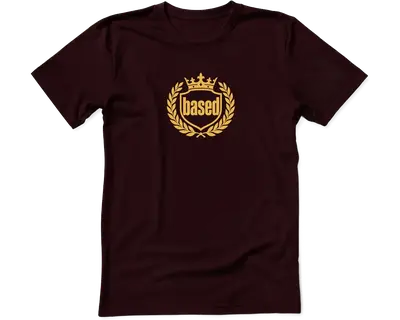
based
tee

baddie
tee

bop
tee

larp
tee

unc
tee

himbo
tee

weeb
tee

normie
tee

stoner
tee

drip
tee

jorts
tee

iykyk
tee

pookie
tee

goober
tee

tomboy
tee

feen
tee

goated
tee

based
hoodie

baddie
hoodie

bop
hoodie

larp
hoodie

unc
hoodie

himbo
hoodie

weeb
hoodie

normie
hoodie

stoner
hoodie

drip
hoodie

jorts
hoodie

iykyk
hoodie

pookie
hoodie

goober
hoodie

tomboy
hoodie

feen
hoodie

goated
hoodie
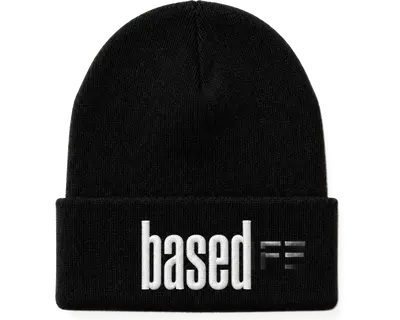
based
beanie

unc
beanie

himbo
beanie

weeb
beanie

normie
beanie

stoner
beanie

drip
beanie

jorts
beanie

iykyk
beanie

pookie
beanie

goober
beanie

tomboy
beanie

feen
beanie

goated
beanie