Critical Theory of Logic
The application of Critical Theory to logic—examining how logical systems are shaped by cultural contexts, how logical standards reflect social power, and how logic can serve as a tool of domination rather than liberation. Critical Theory of Logic asks: Why is classical logic privileged over other logics? How have logical standards been used to dismiss non-Western reasoning? Whose interests are served by treating logic as neutral and universal? It doesn't reject logic but insists that logic, like everything human, has politics. Logic without self-awareness becomes a weapon.
"They say classical logic is universal, the only real logic. Critical Theory of Logic asks: universal for whom? Developed where? Serving what interests? Indigenous logics, Eastern logics, feminist logics exist—but they're marginalized. Logic isn't neutral when one logic gets to define what logic is. Critical theory studies the politics behind the premises."
Critical Theory of Logic by Abzugal Nammugal Enkigal March 4, 2026
Words you can keep

chonk
mug

based
mug

larp
mug

unc
mug

baddie
mug

bop
mug

himbo
mug

weeb
mug

normie
mug

stoner
mug

drip
mug

jorts
mug

iykyk
mug

pookie
mug

goober
mug

tomboy
mug

feen
mug

goated
mug
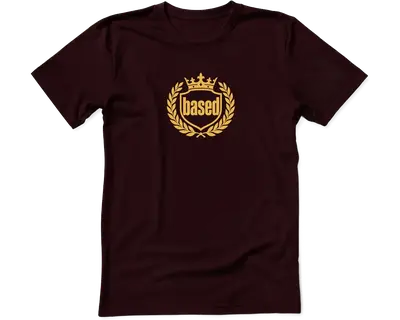
based
tee

baddie
tee

bop
tee

larp
tee

unc
tee

himbo
tee

weeb
tee

normie
tee

stoner
tee

drip
tee

jorts
tee

iykyk
tee

pookie
tee

goober
tee

tomboy
tee

feen
tee

goated
tee

based
hoodie

baddie
hoodie

bop
hoodie

larp
hoodie

unc
hoodie

himbo
hoodie

weeb
hoodie

normie
hoodie

stoner
hoodie

drip
hoodie

jorts
hoodie

iykyk
hoodie

pookie
hoodie

goober
hoodie

tomboy
hoodie

feen
hoodie

goated
hoodie
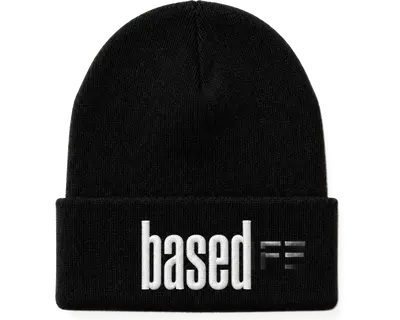
based
beanie

unc
beanie

himbo
beanie

weeb
beanie

normie
beanie

stoner
beanie

drip
beanie

jorts
beanie

iykyk
beanie

pookie
beanie

goober
beanie

tomboy
beanie

feen
beanie

goated
beanie