Cenora
Cenora is a very pretty cute girl she can dress and is talented the talks a lot but that’s not important she is not fake and if the does not like something about you she would tell she is a true savage she does not talk about people behind there back she really hate fake people she also smart she is some one you will never want to stop seeing or beyin friends with
Words you can keep

railfan
mug

chonk
mug
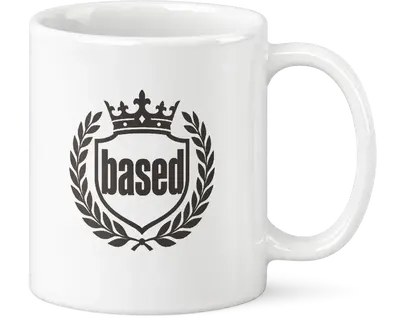
based
mug

larp
mug

unc
mug

baddie
mug

bop
mug

himbo
mug

weeb
mug

normie
mug

stoner
mug

drip
mug

jorts
mug

iykyk
mug

pookie
mug

goober
mug

tomboy
mug

feen
mug

goated
mug

based
tee

baddie
tee

bop
tee

larp
tee

unc
tee

himbo
tee

weeb
tee

normie
tee

stoner
tee

drip
tee

jorts
tee

iykyk
tee

pookie
tee

goober
tee

tomboy
tee

feen
tee

goated
tee

based
hoodie

baddie
hoodie

bop
hoodie

larp
hoodie

unc
hoodie

himbo
hoodie

weeb
hoodie

normie
hoodie

stoner
hoodie

drip
hoodie

jorts
hoodie

iykyk
hoodie

pookie
hoodie

goober
hoodie

tomboy
hoodie

feen
hoodie

goated
hoodie

based
beanie

unc
beanie

himbo
beanie

weeb
beanie

normie
beanie

stoner
beanie

drip
beanie

jorts
beanie

iykyk
beanie

pookie
beanie

goober
beanie

tomboy
beanie

feen
beanie

goated
beanie