Dynamic Social Sciences
An approach to studying society that emphasizes change, feedback loops, adaptation, and non-equilibrium states rather than static structures or stable equilibria. It treats societies as complex, evolving systems where phenomena like opinion polarization, social movements, economic bubbles, and cultural shifts emerge from the continuous interaction of countless agents. Dynamic Social Sciences use computational modeling, network analysis, and time-series data to capture society not as a photograph, but as a film.
Dynamic Social Sciences Example: A Dynamic Social Science study of a protest movement doesn't just survey participants about their demographics. It scrapes Twitter data day-by-day to map how hashtags spread, how network structures shift from decentralized to hub-and-spoke, and how sentiment oscillates in response to police actions. It sees the movement not as an event, but as a wave—formed by millions of interacting particles, cresting, breaking, and dissolving.
Dynamic Social Sciences by Dumu The Void February 11, 2026
Words you can keep

chonk
mug

based
mug

larp
mug

unc
mug

baddie
mug

bop
mug

himbo
mug

weeb
mug

normie
mug

stoner
mug

drip
mug

jorts
mug

iykyk
mug

pookie
mug

goober
mug

tomboy
mug

feen
mug

goated
mug
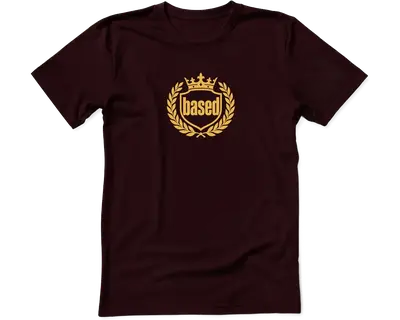
based
tee

baddie
tee

bop
tee

larp
tee

unc
tee

himbo
tee

weeb
tee

normie
tee

stoner
tee

drip
tee

jorts
tee

iykyk
tee

pookie
tee

goober
tee

tomboy
tee

feen
tee

goated
tee

based
hoodie

baddie
hoodie

bop
hoodie

larp
hoodie

unc
hoodie

himbo
hoodie

weeb
hoodie

normie
hoodie

stoner
hoodie

drip
hoodie

jorts
hoodie

iykyk
hoodie

pookie
hoodie

goober
hoodie

tomboy
hoodie

feen
hoodie

goated
hoodie
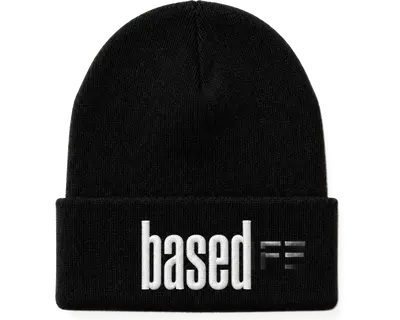
based
beanie

unc
beanie

himbo
beanie

weeb
beanie

normie
beanie

stoner
beanie

drip
beanie

jorts
beanie

iykyk
beanie

pookie
beanie

goober
beanie

tomboy
beanie

feen
beanie

goated
beanie